

Conservation in the Concrete Jungle
A video series exploring how local urban conservation initiatives can challenge rapid development, protect threatened city ecosystems, and integrate wildlife health directly into the world's densest hubs.
Episode 1
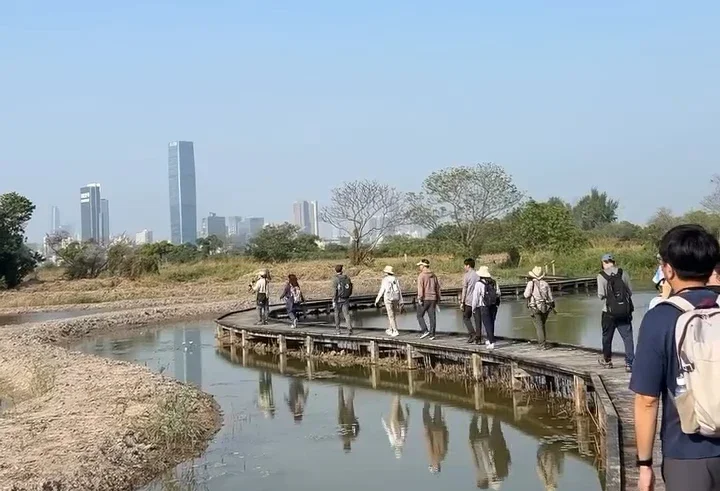
What happens when one of the most important conservation sites is threatened by urban expansion in one of the densest cities in the world?
I recently visited WWF Hong Kong’s Wai Po Nature Reserve, a major conservation site sandwiched between two global cities, Hong Kong and Shenzhen. This 1,500-hectare plot of wetlands and gei wais (traditional tidal shrimp ponds) is a significant stopover site for migratory birds. It’s a home to 400 species—35 of which are endangered.
The easiest thing you can do to care for nature is to learn about local solutions.
If you’re in Hong Kong, you can pay a visit to WWF Hong Kong’s visitor center or attend their different tours depending on the season! 🦆🕊️🌿
Episode 2
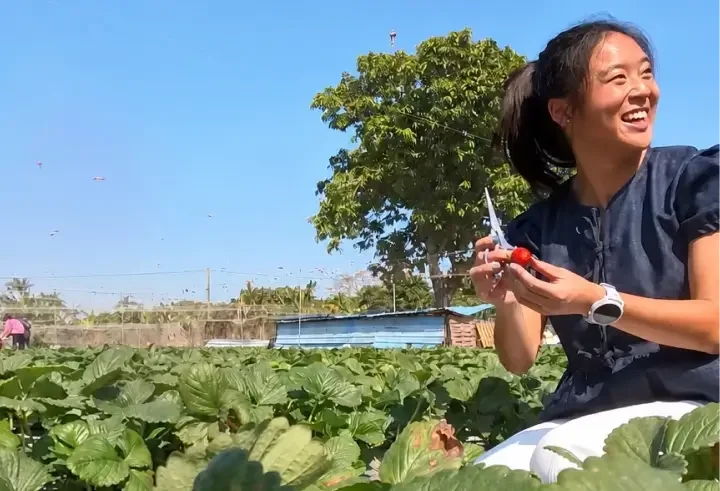
Sometimes, the best thing you can do for conservation is to support your local farming communities :)
Some farming projects to check out in Hong Kong:
- @earthfarm_
- @locofarms.hk
- @good_old_soil
- @r_farmhk
- @farmsoilutionhk
- @tinyeahtinyeah
- @sangwood_seeds_lab
- @growsomethinghk
And if you want to support regenerative farming in Hong Kong and Asia, check out @zerofoodprint.asia! Through a model of collective action, we are teaming up with smallholder farmers to transition towards regenerative practices. 🌱
Episode 3
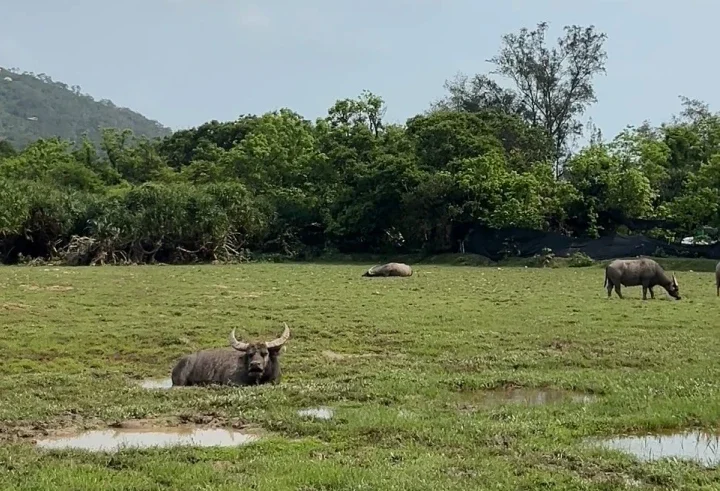
They say the water buffalo is an ecosystem’s best friend… 🐃
Did you know there are fewer than 200 wild water buffaloes left here—and most of them were abandoned when the farmland disappeared?
Water buffaloes are ecosystem engineers: Their wallowing and trampling create habitats for fish and birds. Their grazing helps with vegetation control. They also have a mutualistic relationship with Hong Kong’s rare cattle egrets, which depend on them to survive.
Although the world they were built for is long gone, they’re still showing up and doing the work to give us a thriving ecosystem today. 🌱
Episode 4
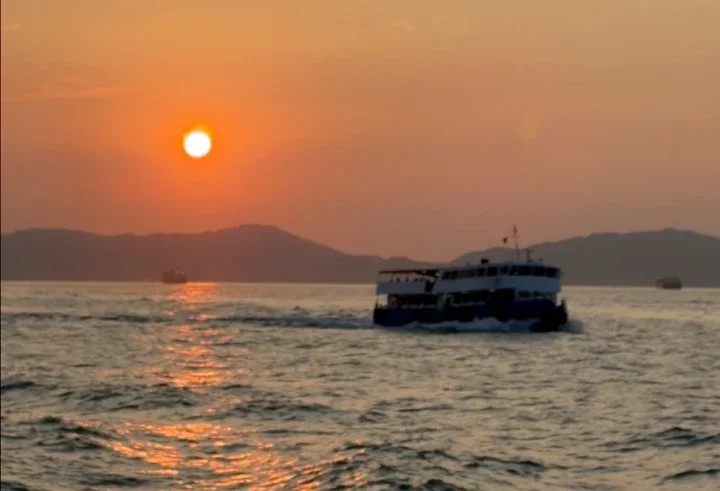
It’s easy to think of sea-level rise as a “there” problem, but the climate crisis hits home…literally! 🌊
In Hong Kong, the ocean is directly connected to people’s livelihoods. Yet, only 6% of the ocean is marine protected area. Action starts with awareness, so share this with someone who needs to hear this.
One simple way to contribute is by supporting @wwfhk or signing @tnc_hk petition to restore oyster reefs and commit 30% of marine protected areas by 2030. Another is to learn about seagrass restoration by attending one of @theecoforce engaging talks!
Sources: China Water Risk, @wwfhk, and an inspiring talk by the lovely @ja.mie.chan 💫
Episode 5
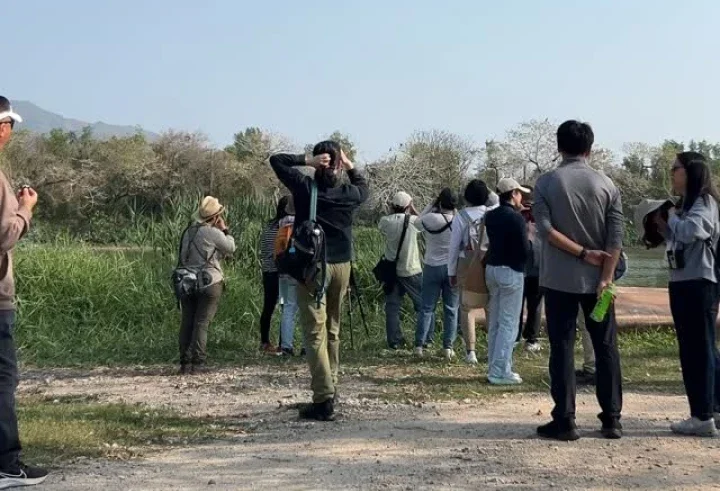
This is the easiest way to contribute to conservation research…and you don’t need a degree to do it!
All you need to do is download the @inaturalistorg app on your phone, log your sightings, and become part of one of the largest global bird datasets in the world.
Last week (May 9th) was World Migratory Bird Day, so this is your reminder that you can contribute to conservation research wherever you are in the world! 🕊️
